About Low Weight Barrier - Airport Barrier
Low Weight Barrier - Airport Barrier
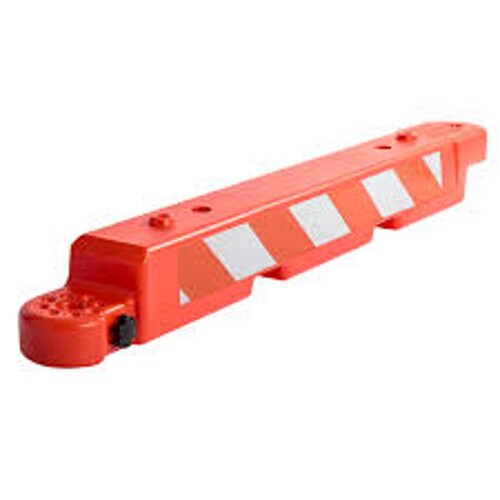
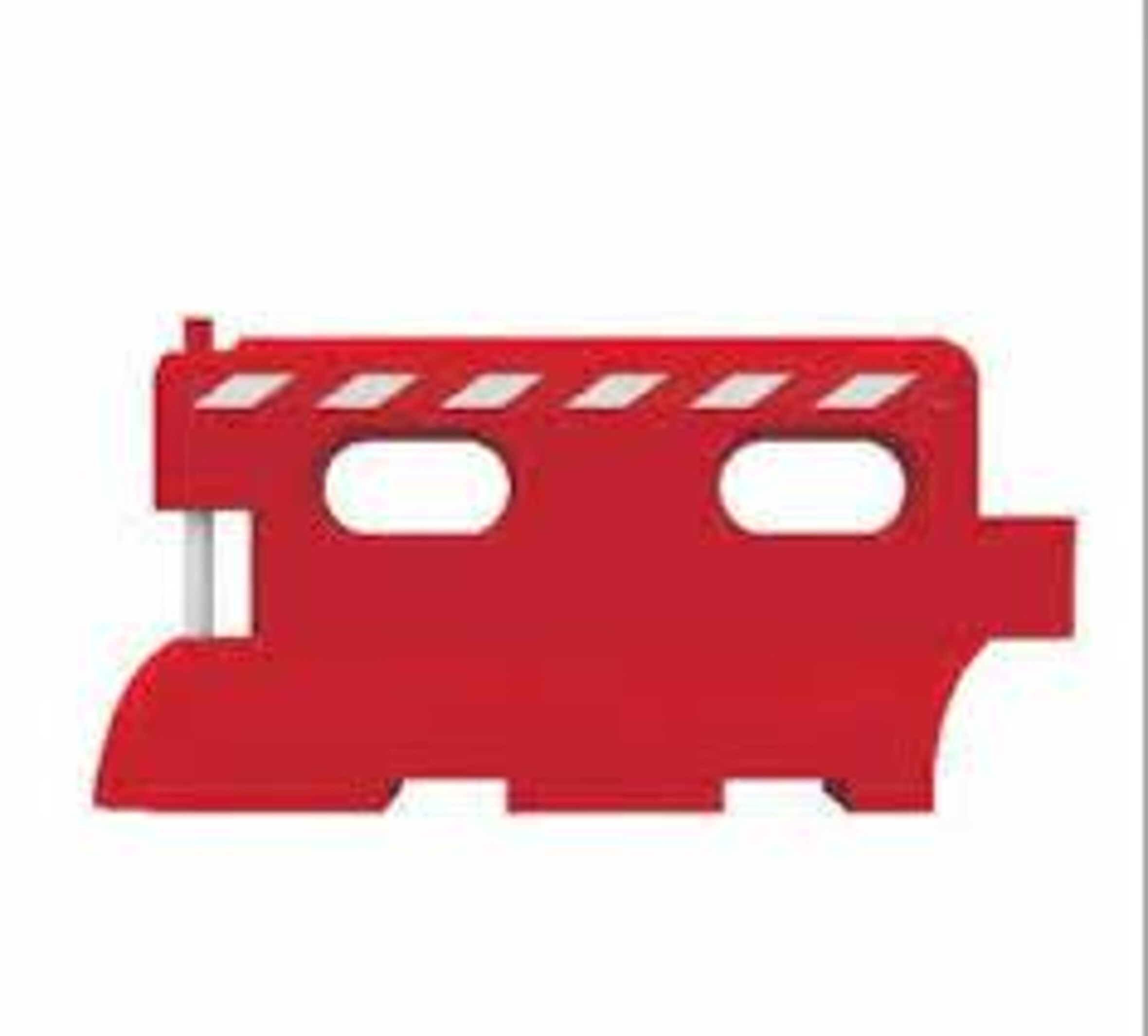
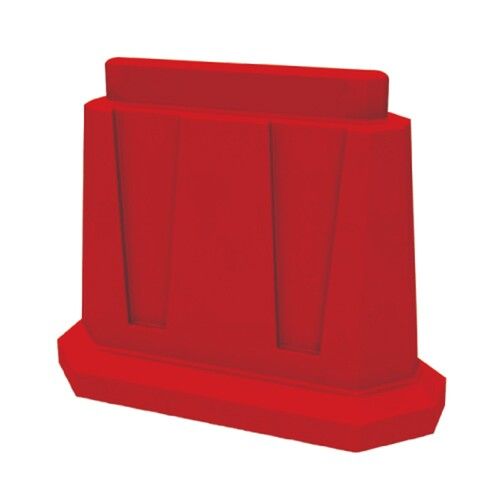
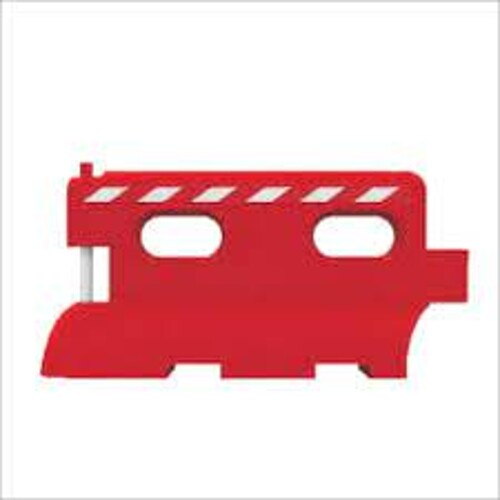
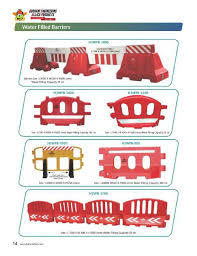
Low profile barriers of 280 mm height
Area for water filling, flashing lights and
pre drilled holes for mounting warning flags
Interlocking barriers enable continuous lines
Versatile Safety for Multiple VenuesDesigned for maximum adaptability, the Low Weight Barrier Airport Barrier excels at ensuring road and area safety in diverse spaces, including hotels, airports, and schools. Its portable and efficient design simplifies crowd control and lane management, making public areas safer and more organized.
Lightweight Yet Sturdy ConstructionCrafted from high-quality plastic, this barrier offers both lightweight handling and strong resistance to impact. The option to ballast with water strengthens the structure, ensuring stability even in crowded or high-flow areas, without compromising mobility or ease of installation.
FAQs of Low Weight Barrier - Airport Barrier:
Q: How is the Low Weight Barrier Airport Barrier used for road safety?
A: The barrier is placed strategically to guide traffic, manage crowds, and restrict access in areas such as airports, hotels, and schools. Its high-visibility red color and water ballast feature make it suitable for creating safe zones and channeling flow effectively.
Q: What is the main benefit of using a plastic base barrier compared to traditional materials?
A: Plastic base barriers offer significant advantages in terms of weight, ease of transport, and resistance to environmental elements. Unlike traditional concrete barriers, these can be relocated quickly and filled with water for added stability as needed.
Q: Where can this airport barrier be installed?
A: This barrier is suitable for use at airports, railway stations, hotels, cinema theaters, restaurants, schools, and various outdoor applicationsessentially anywhere crowd or traffic control is required.
Q: When should water ballast be added to the barrier?
A: Water ballast should be added when increased stability is needed, such as in high traffic areas, outdoor locations exposed to wind, or during prolonged deployments to prevent accidental displacement.
Q: What is the installation process for this barrier?
A: Installation is straightforward: simply position the barrier in the desired location. If additional stability is needed, the barrier features a dedicated compartment that can be filled with water on-site, enhancing its resistance to impact.
Q: How does the barrier improve safety in public venues?
A: By clearly marking restricted or controlled areas with its bright red color and robust structure, the barrier helps guide pedestrian and vehicular movement, minimizing confusion and reducing the risk of accidents.
 Mon-Sat 10.00 AM to 6.30 PM
 Call Us:-
07971459304
Call Us:-
07971459304




 Send Inquiry



 Send Inquiry

 Send Inquiry
 Send Inquiry
 Send SMS
 Call Me Free
 English
 Spanish
 French
 German
 Italian
 Chinese (Simplified)
 Japanese
 Korean
 Arabic
 Portuguese